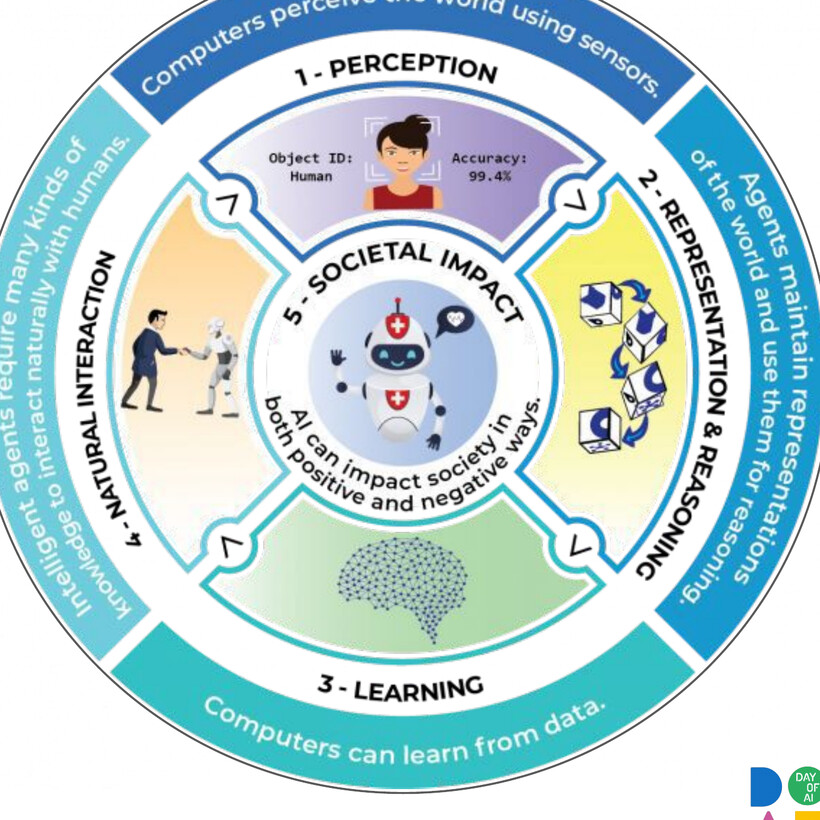
The 5 Big Ideas of AI
- 1It can understand its environment
- 2It can plan and make decisions
- 3It can learn new knowledge and skills
- 4It can interact with humans and the environment
- 5It has an impact on society
Datasets
A dataset is a collection of curated data.
Data can be:
- Numbers (time, views, temperature)
- Text (novels, articles, blogs)
- Audio (speech, music, animal sounds)
- Images (photos, drawings)
- Video recordings (movies, TV, home videos)
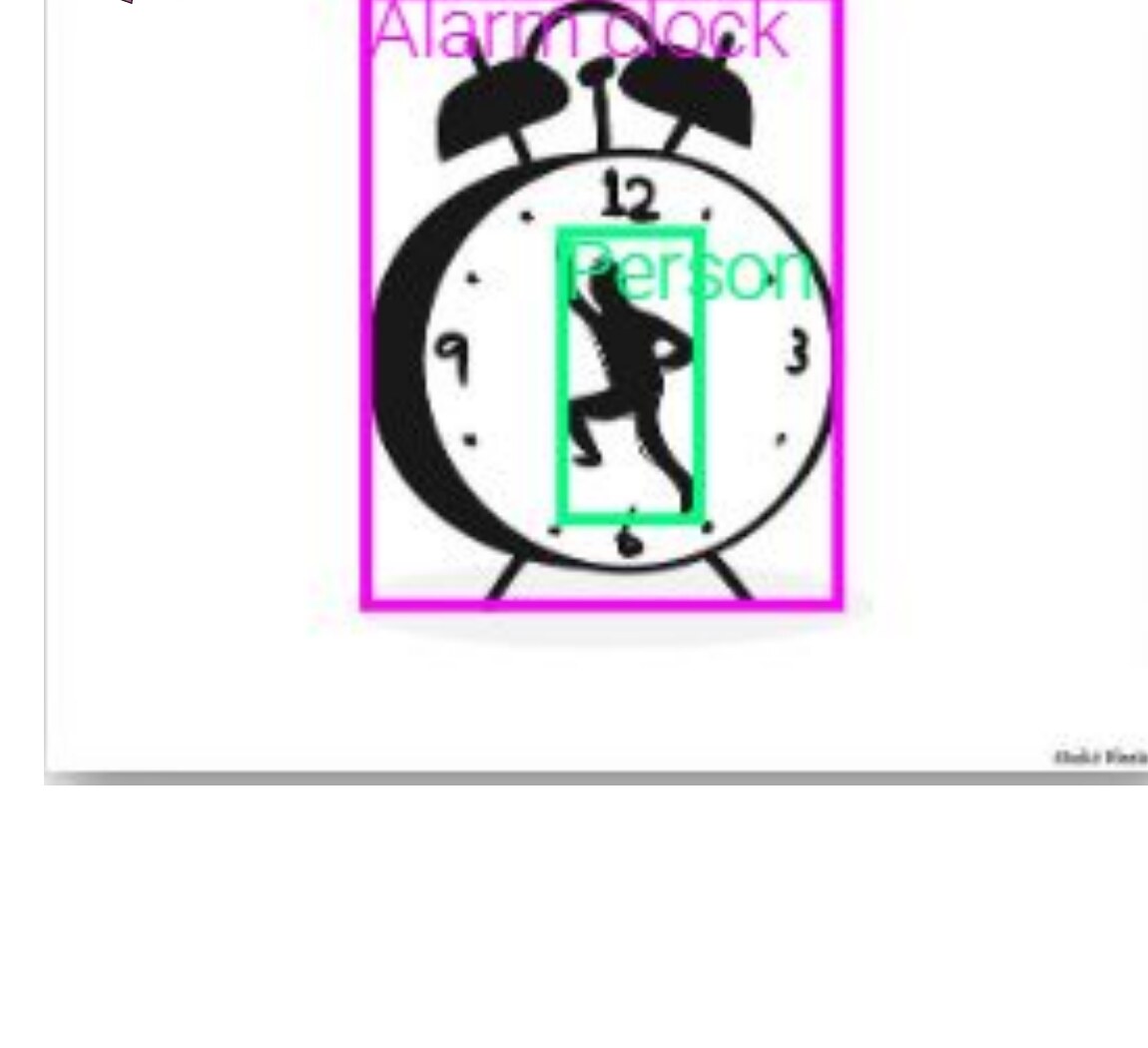
A curated data set is one that has selected, organised and (possibly) labelled data.
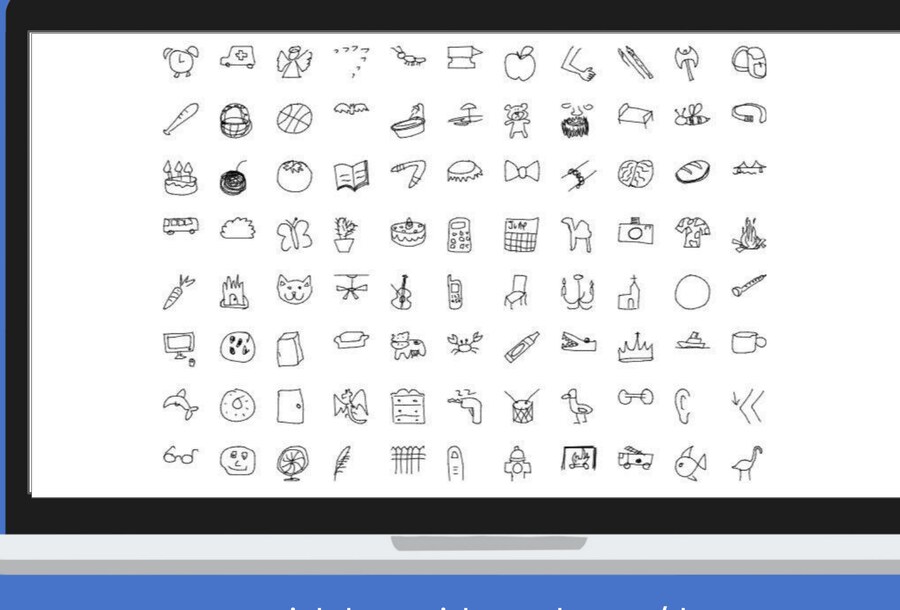
Google Quick, Draw!
Let’s test how a machine uses prediction.
✏️ Quick, Draw! The Dataquickdraw.withgoogle.com/data
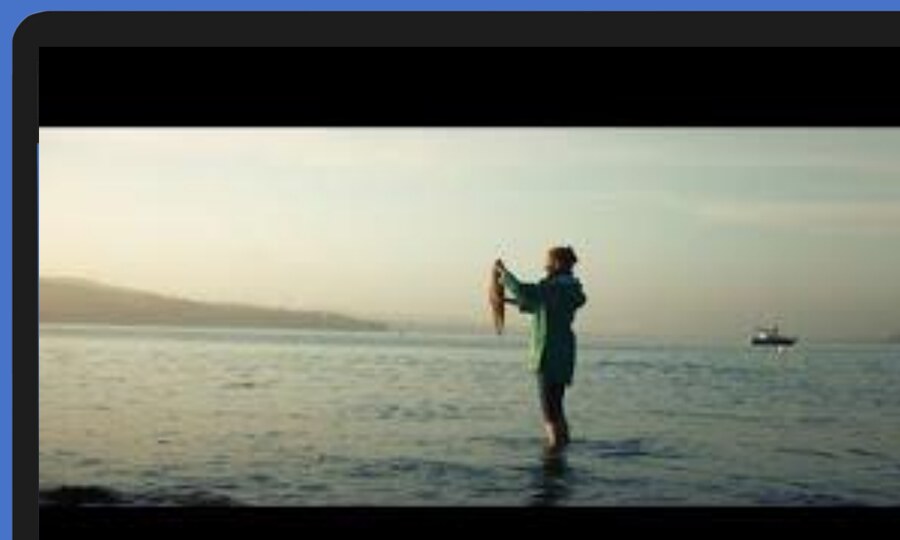
Giant kelp forests are vital marine habitats, but they’re disappearing due to increasing temperatures in oceans.
Google and partners are using AI, satellite data, and genetics to restore these forests.
Watch the video to see how technology is helping nature recover — and why this matters for ecosystems and communities.
Learning is the 3rd ‘Big Idea of AI.’
Like humans, AI needs to be ‘taught’ how to do things, before it can do anything useful.
How do we learn information?

This is a ‘Fleep’.
How do we learn information?
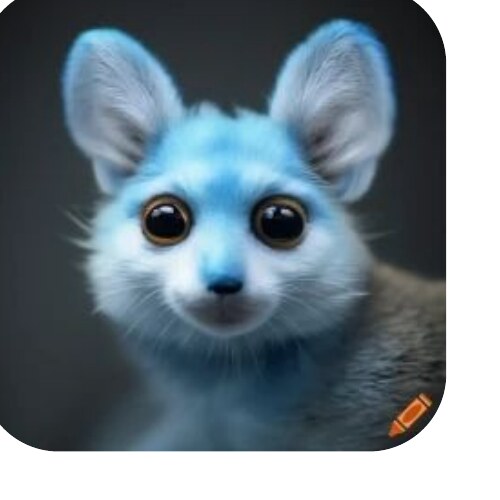
This is also a ‘Fleep’.
How do we learn information?
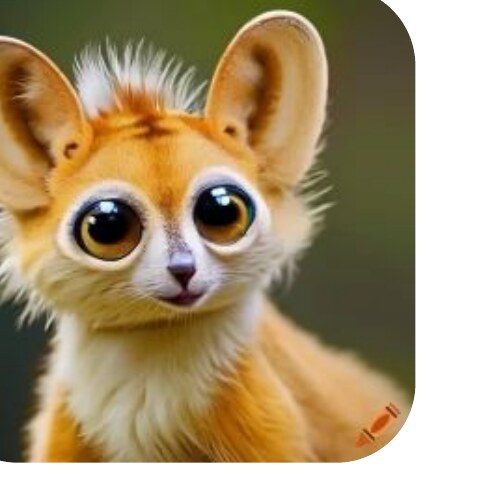
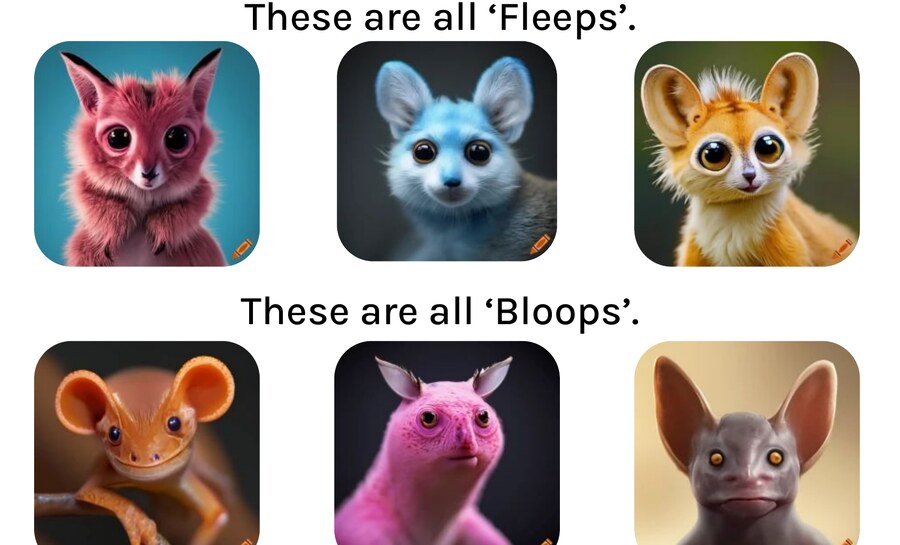
This is also a ‘Fleep’. What do all the ‘Fleeps’ have in common?
How do we learn information?
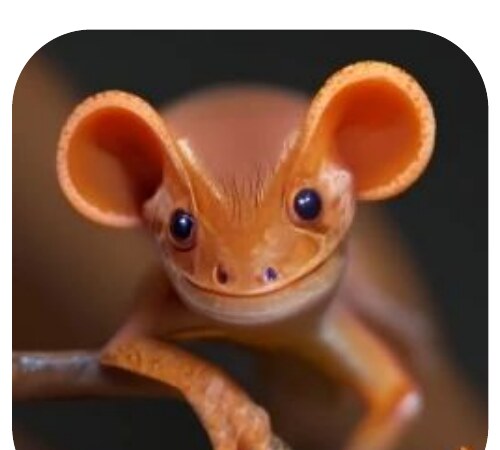
But — this is a ‘Bloop’.
How do we learn information?
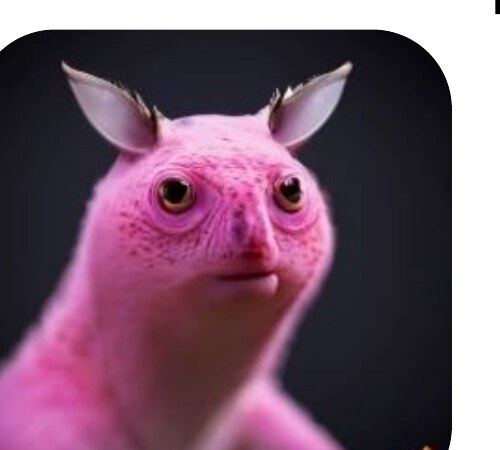
This is also a ‘Bloop’.
How do we learn information?
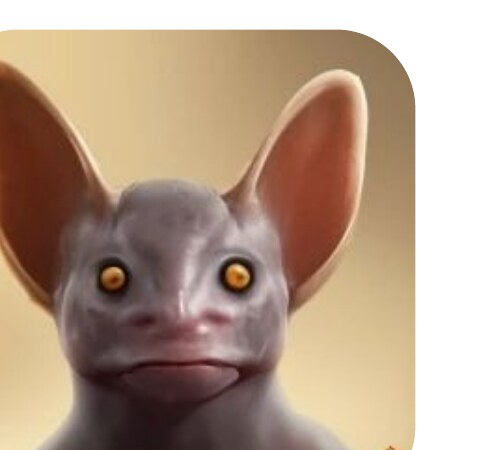 What do all these ‘Bloops’ have in common?
How do we learn information?
How do we learn information?
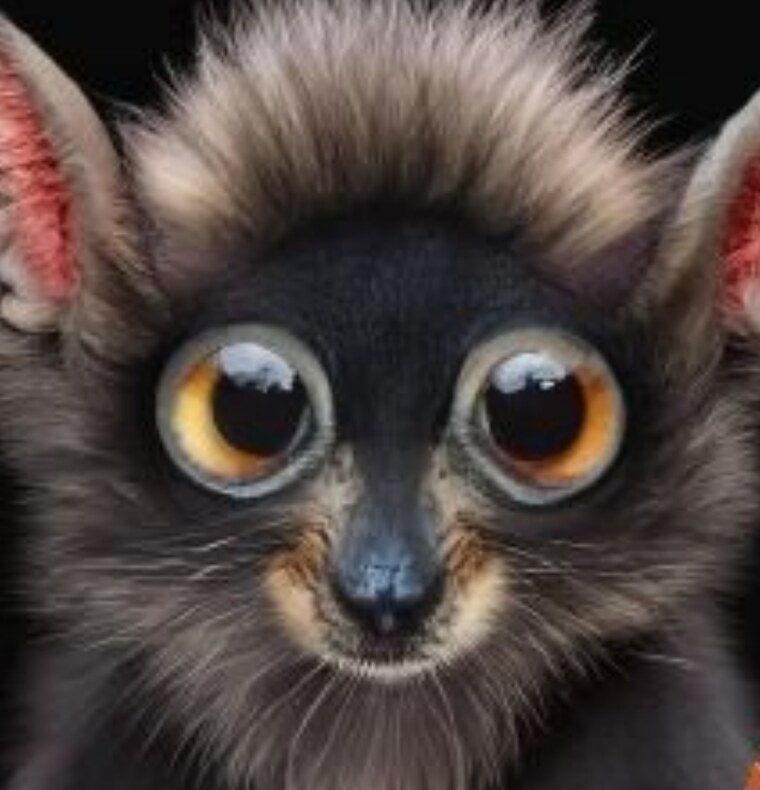
Let’s test if you think this is a ‘Fleep’ or a ‘Bloop’?
Time to stand up!
- Go to the left side of the room if you think it is a ‘Fleep’
- Go to the right side of the room if you think it is a ‘Bloop’
- How confident are you in your choice?
How do we learn information?
ANSWER: It’s a ‘Fleep’!
Why?
- All the ‘Fleep’s have big eyes and fur.
- Both had round or pointy ears.
- All the ‘Bloop’s have small eyes and no fur.
- This one has big eyes and fur — so it must be a ‘Fleep’!
How do we learn information?
Play these two different sounds of native Australian birds.
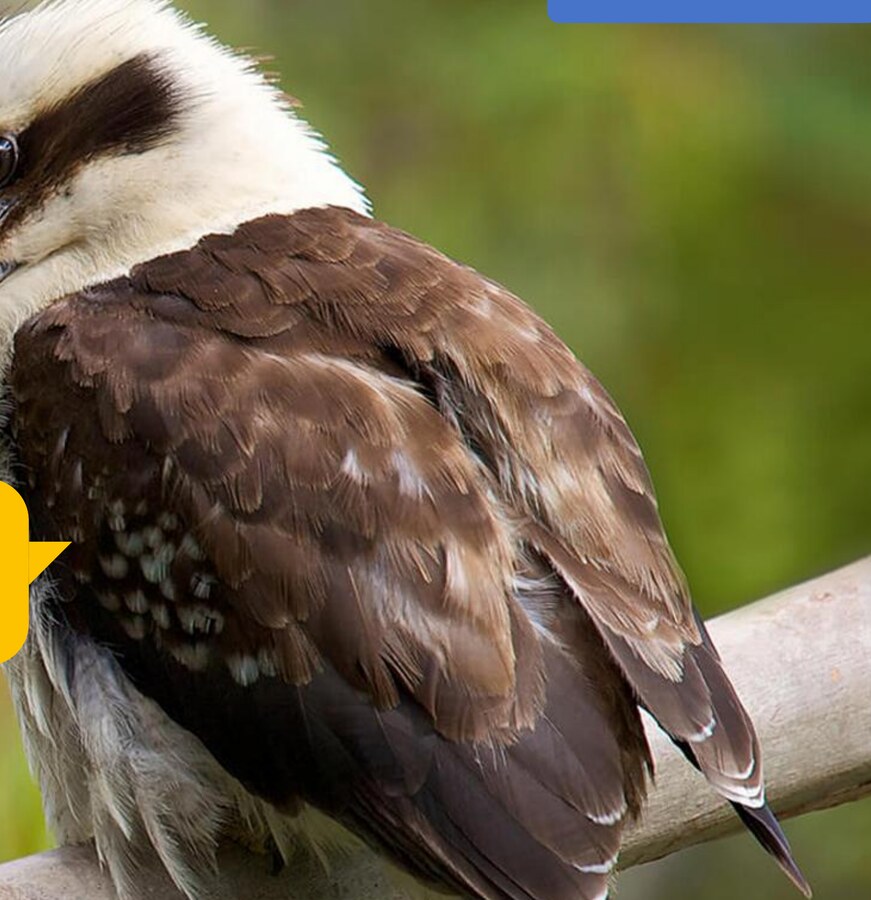
🔊 This is the sound of a kookaburra
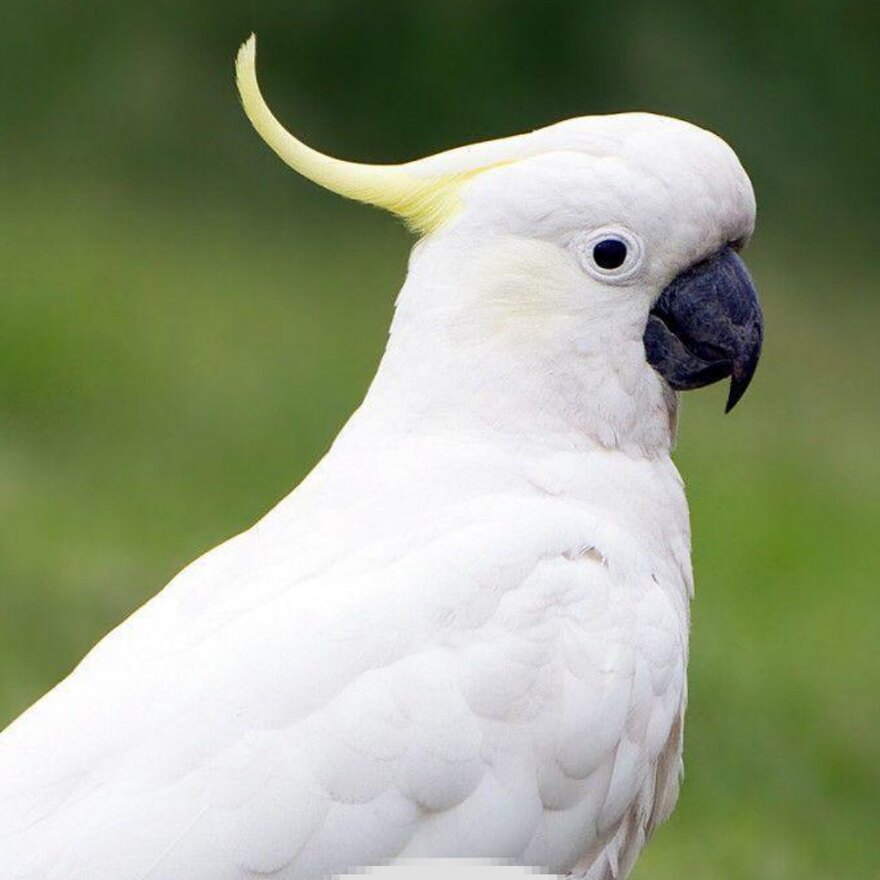
🔊 This is the sound of a cockatoo
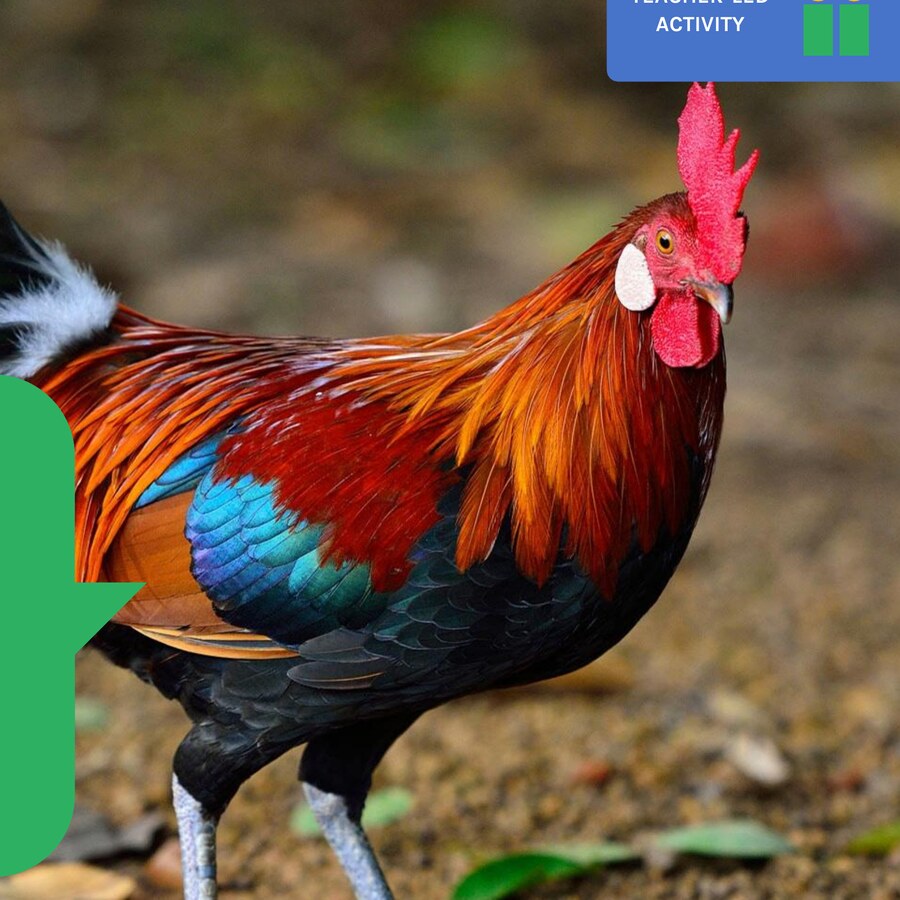
Recap of Image Recognition
INPUT
An image
LEARNING ALGORITHM
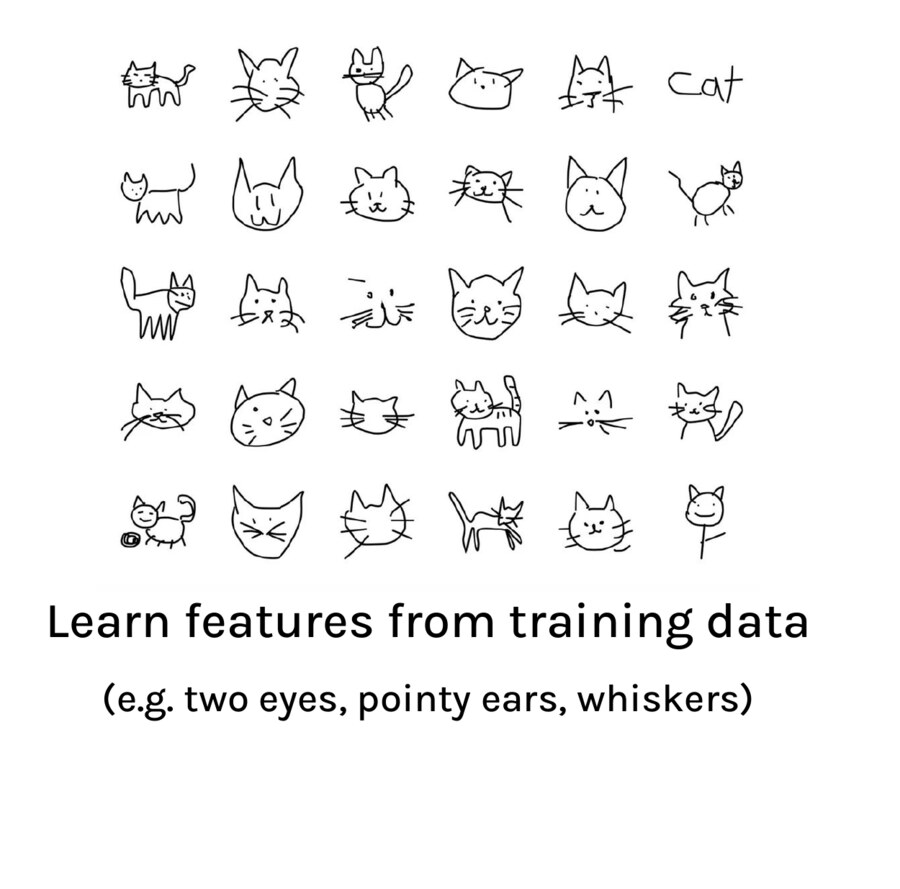
Learn features from training data
(e.g. two eyes, pointy ears, whiskers)
OUTPUT
Recap of Image Recognition
INPUT
An image
LEARNING ALGORITHM
Learn features from training data
OUTPUT
A label for the image
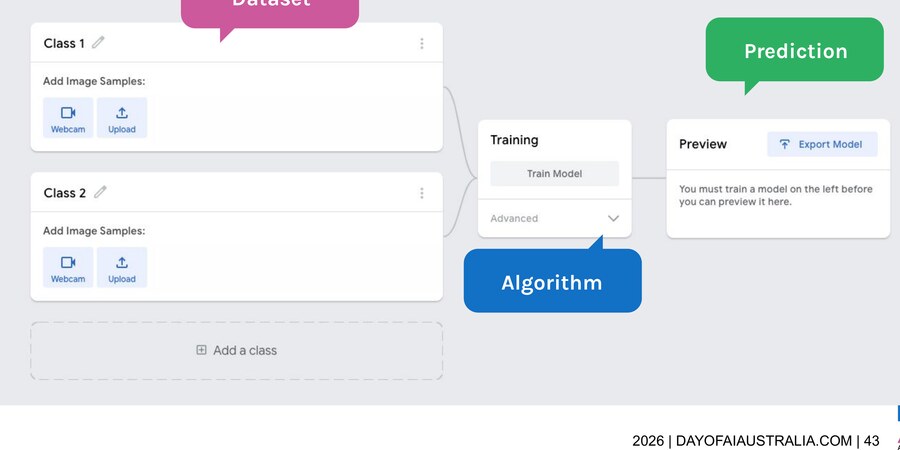
AI predictions
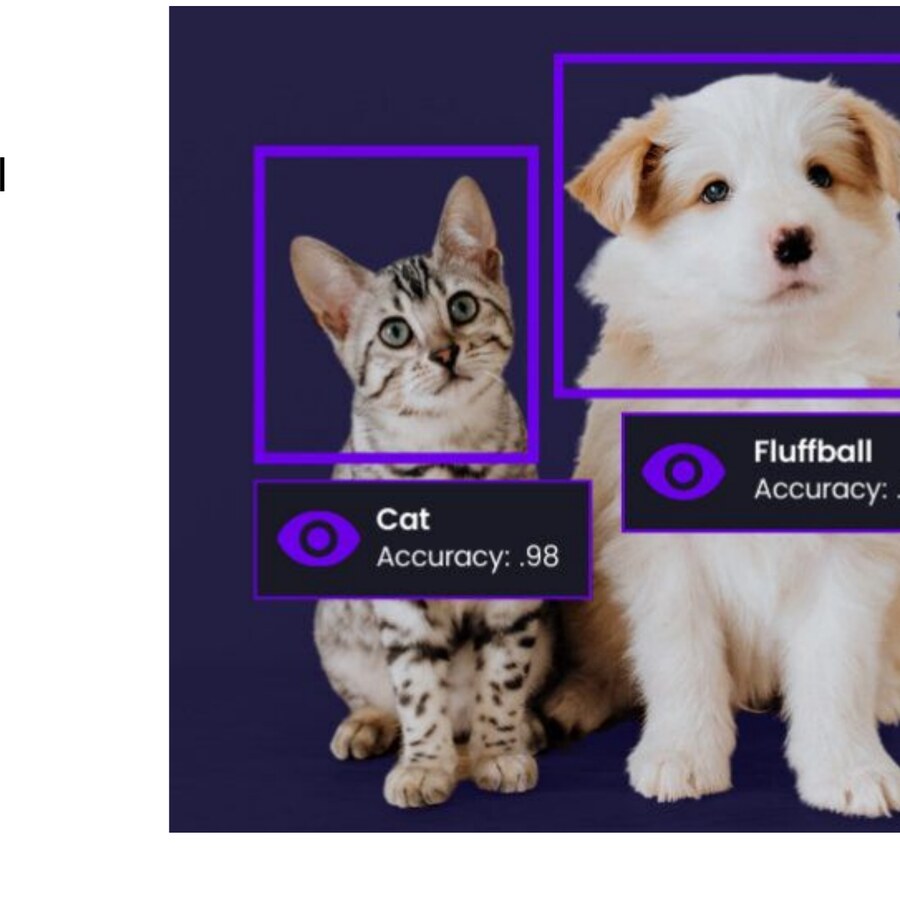
Remember that AI makes predictions. AI systems don’t ‘know’ answers. They guess or estimate them!
Instead of being certain, AI often predicts a range of likely outcomes.
In this lesson we learnt:
- What is AI?
- What are some examples of AI?
- What are the 5 Big Ideas of AI?
- The data-algorithm-prediction model
- What is data?